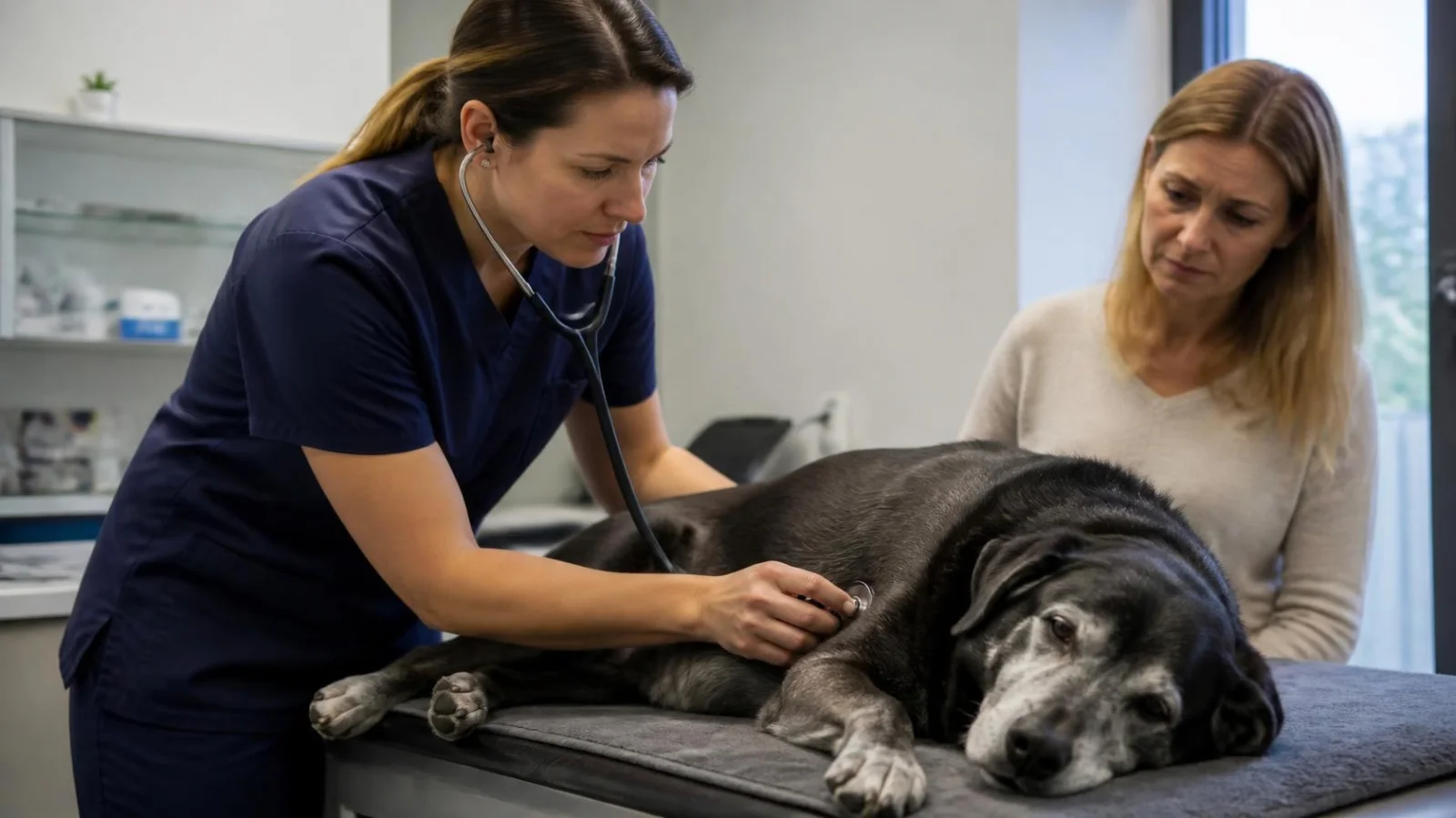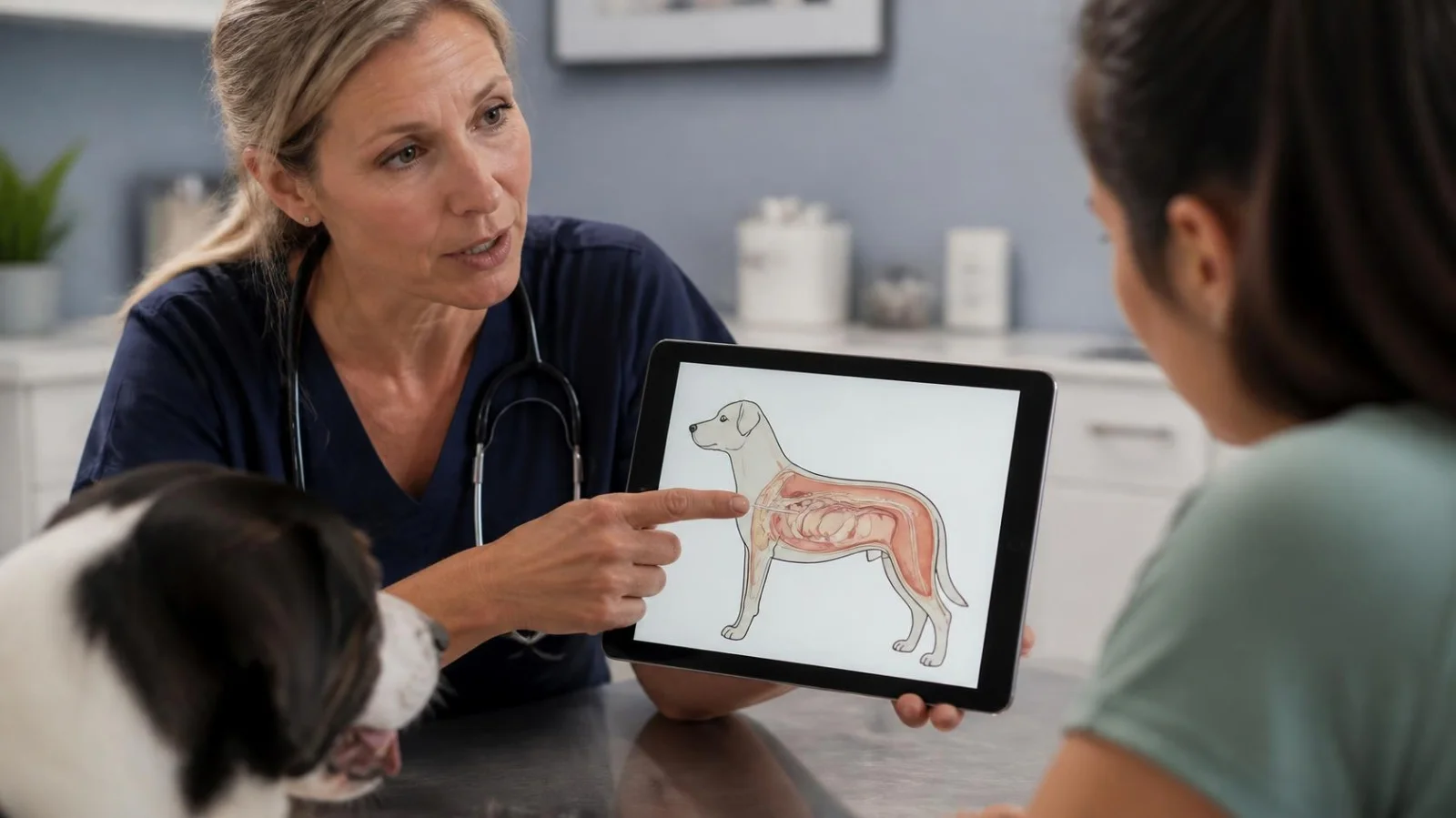
Roughly one in seven dogs will deal with a urinary tract infection at some point, and female dogs are affected considerably more often than males — not from bad luck, but from a specific anatomical reason worth actually understanding. This guide covers what a female dog UTI looks like, why it happens, how vets confirm it, what treatment actually involves, and why "just wait and see" is genuinely the wrong call here.
Why Female Dogs Get UTIs More Often
This isn't a myth or a minor tendency — it's a well-documented anatomical difference. Female dogs have a shorter, wider urethra than males, and it sits closer to the anus. Both factors give bacteria (most commonly E. coli, originating from the gastrointestinal tract) a shorter, easier route into the bladder. Some female dogs have an additional risk factor: a hooded or recessed vulva, where skin folds partially cover the vulva and can trap urine and bacteria against the skin, creating a reservoir for infection that ascends into the urinary tract.
| Risk factor | Why it increases UTI risk |
|---|---|
| Female anatomy generally | Shorter, wider urethra closer to the anus, compared to males |
| Hooded or recessed vulva | Traps urine and bacteria against the skin, creating persistent contamination |
| Obesity | Can deepen skin folds around the genitals, worsening the hooded-vulva effect even in dogs not naturally prone to it |
| Post-spay urinary incontinence | Constant low-level urine leakage keeps the area damp, encouraging bacterial growth |
| Diabetes or Cushing's disease | Both conditions alter urine composition and immune function in ways that favor bacterial growth |
| Bladder stones or crystals | Provide a surface for bacteria to adhere to and a source of ongoing irritation |
| Older age | Older female dogs are overrepresented among UTI cases, likely from a combination of the factors above becoming more common with age |
Symptoms to Watch For
- Frequent urination, often in small amounts
- Straining or apparent discomfort while urinating
- Blood visible in the urine
- Foul-smelling urine
- Accidents indoors from a normally house-trained dog
- Excessive licking at the genital area
- Frequent, urgent requests to go outside, sometimes without producing much urine once there
None of these symptoms are unique to a UTI on their own — several overlap with heat, incontinence, and bladder stones, which is exactly why a urine test, not symptom-matching alone, is what actually confirms a UTI. Our guide to heat signs covers how to tell heat-related bleeding apart from a UTI specifically, since the two get confused constantly, and it's worth reading if you're genuinely unsure which one you're dealing with before assuming either way.
Uncomplicated, Complicated, and Recurrent: Why the Distinction Matters
| Type | What it means | Typical approach |
|---|---|---|
| Uncomplicated | A healthy dog's first UTI, no underlying structural or metabolic issue | Standard antibiotic course, often without needing a full culture first |
| Complicated | Occurs alongside an anatomic or functional abnormality (hooded vulva, bladder stones, diabetes) that predisposes to persistent or repeat infection | Treating the UTI alone isn't enough — the underlying cause needs to be identified and managed too |
| Recurrent / reinfection | A new UTI returning within about 6 months of a previously successful treatment, sometimes with a different bacteria species | Warrants deeper investigation into why it keeps happening, not just repeated rounds of antibiotics |
This distinction matters practically: a dog with a third UTI in a year needs a different conversation with your vet than a dog experiencing her first one — specifically, an honest look at whether something underlying (her anatomy, her weight, a metabolic condition) is setting her up to keep getting them, rather than simply treating each occurrence as an isolated, unlucky event.
How Vets Actually Diagnose a UTI
Symptoms alone aren't a diagnosis — a proper workup typically involves two distinct tests that answer different questions:
- Urinalysis — a quick in-house test checking urine concentration, pH, and looking under a microscope for white blood cells, red blood cells, bacteria, and crystals. This can suggest an infection is likely.
- Urine culture — considered the only test that actually confirms a UTI and identifies the specific bacteria involved, which in turn determines which antibiotic will actually work. This typically takes a few days at an outside lab.
How the sample is collected matters too: a "free catch" sample (collecting as she urinates naturally) is easiest but more prone to contamination from skin bacteria, while cystocentesis (a sterile needle drawing urine directly from the bladder) gives the cleanest sample for culture purposes, at slightly more cost and a brief moment of discomfort.
Treatment: Why Antibiotics Aren't Optional
Bacterial UTIs require an appropriate antibiotic — this isn't a condition that reliably resolves with home care or waiting it out, and doing so risks the infection ascending toward the kidneys. A few important points on treatment that owners often get wrong:
- Finish the entire course, even after she seems back to normal, which often happens well before the infection is actually fully cleared. Stopping early is one of the most common causes of relapse and contributes to antibiotic-resistant bacteria over time.
- Only dogs with actual signs and symptoms should be treated, per Cornell's veterinary guidance — this is specifically to avoid unnecessary antibiotic use, which drives resistance in bacteria that are harder to treat down the line.
- Pain medication is often prescribed alongside antibiotics to manage the discomfort of urination during the first days of treatment.
- A follow-up urinalysis or culture, particularly for a complicated or recurrent case, confirms the infection is genuinely gone rather than just quiet — a dog can look and act completely fine while bacteria linger at a low level.
Never give your dog leftover antibiotics from a previous infection or another pet, and never use a human antibiotic without explicit veterinary direction — the wrong drug for the specific bacteria involved can fail to clear the infection while still contributing to resistance, and dosing that's appropriate for a human is not automatically safe or effective for a dog of any given size.
How Long Does Treatment Take to Work?
Most uncomplicated UTIs show noticeable improvement within 2-3 days of starting the correct antibiotic — less straining, less frequent urination, and a dog who generally seems more comfortable. The full course typically runs 7 to 14 days depending on the antibiotic and the severity of the infection, and it's worth repeating: finishing the full course matters even though she'll likely seem fully recovered well before the last dose. A complicated or recurrent case may need a longer course, sometimes 4 weeks or more, particularly if there's an underlying structural issue that took time to identify.
What Happens If a UTI Goes Untreated
This is worth taking seriously rather than treating as a minor inconvenience. Left alone, a bladder infection can progress in a fairly predictable direction:
Not every untreated UTI follows this exact path, and many resolve or are caught long before this point — but this is the real, documented progression that makes "let's just wait a few days" the wrong instinct for a suspected UTI.
Bladder stones (particularly struvite stones) are another documented complication, since certain UTI-causing bacteria change urine chemistry in a way that promotes stone formation — which is part of why an owner's "she seems better" isn't the same as "the underlying issue is resolved."
Preventing UTIs
- Keep fresh water available at all times — hydration is one of the simplest, most effective preventive habits, since it dilutes urine and encourages more frequent urination that flushes bacteria out.
- Allow frequent potty breaks rather than long stretches of holding urine, which gives bacteria more time to take hold.
- Keep the genital area clean, especially for dogs with longer hair or a hooded vulva — some owners use unscented pet-safe wipes after urination as a routine habit.
- Trim hair around the area if it tends to trap moisture or debris.
- Manage weight, since obesity can deepen skin folds around the genitals and worsen the hooded-vulva effect even in dogs not otherwise prone to it.
- Address a hooded or recessed vulva directly with your vet if recurrent UTIs are an issue — for persistent cases, surgical correction (vulvoplasty) is a real option worth discussing rather than repeatedly treating the resulting infections.
- Manage post-spay incontinence if present, since constant dampness is a genuine ongoing risk factor — see our guide to incontinence for more on this specific connection.
What's Actually Causing the Infection
The overwhelming majority of dog UTIs are caused by E. coli, a bacteria normally present in the gastrointestinal tract that migrates to the urethral opening and travels upward into the bladder. Other bacteria — including Staphylococcus, Proteus, and Enterococcus species — account for a smaller share of cases, and identifying which one is involved is exactly why a urine culture matters for anything beyond a straightforward first infection: different bacteria respond to different antibiotics, and treating blind with a broad-spectrum drug sometimes fails against a less common organism. Less commonly, infection can spread to the urinary tract through the bloodstream from elsewhere in the body, rather than ascending from below.
Investigating Recurrent UTIs: What Comes Next
If your dog has had more than one UTI within about six months, or several over the course of a year, this is the point where "just treat it again" stops being the right approach. A more thorough workup typically looks for an underlying cause rather than assuming bad luck:
- Bloodwork to screen for diabetes or Cushing's disease, both of which alter urine composition and immune response in ways that predispose to recurrent infection.
- Imaging — X-rays or ultrasound — to check for bladder stones, tumors, or anatomical abnormalities like ectopic ureters that might be contributing.
- A closer look at vulvar conformation, specifically checking for a hooded or recessed vulva that might be maintaining a low-grade bacterial reservoir between infections.
- A review of any incontinence history, particularly in a spayed female, since chronic dampness from urine leakage is a well-documented ongoing risk factor.
Skipping this investigation and simply repeating antibiotic courses tends to lead to exactly the frustrating cycle a lot of owners describe — clearing up, then returning again a few months later — without ever addressing why it keeps happening in the first place. A vet who takes the time to ask "why does this keep coming back" rather than just refilling a prescription is doing right by your dog in the long run.
Are Some Breeds More Prone to UTIs or Related Issues?
UTIs themselves aren't strongly breed-specific, but a few breed tendencies are worth knowing since they compound overall urinary tract risk:
- Breeds prone to bladder stones (Dachshunds, Bichon Frises, Miniature Schnauzers, and Shih Tzus are commonly cited) face a higher risk of the stone-and-infection cycle described above, since stones and bacteria can each make the other more likely.
- Breeds more prone to obesity carry the added hooded-vulva risk factor discussed earlier, simply as a consequence of body condition rather than anatomy specific to the breed.
- Any breed with a naturally recessed or hooded vulva conformation — this varies by individual dog more than strictly by breed, though body type plays a role.
None of this means a predisposed breed will definitely develop UTIs — it just means it's worth being a bit more attentive to early symptoms and prevention habits if your dog falls into one of these categories.
Supporting Recovery at Home During Treatment
Once antibiotics are started, a few simple habits genuinely help alongside the medication rather than replacing it:
- Keep water constantly available and consider adding wet food to her diet temporarily to increase overall fluid intake, which helps flush bacteria from the system.
- Offer more frequent potty breaks than usual — emptying the bladder more often gives bacteria less opportunity to establish themselves in urine that would otherwise sit for longer stretches.
- Give antibiotics with food if directed, which can reduce stomach upset some dogs experience; ask your vet whether a probiotic alongside the antibiotic course is worth adding for your dog specifically.
- Stick to the exact schedule rather than adjusting timing around your convenience — consistent blood levels of the antibiotic matter for fully clearing the infection.
- Watch for improvement within 48-72 hours of starting antibiotics; if symptoms aren't improving by then, call your vet rather than waiting out the full course, since this can indicate the wrong antibiotic was selected for the specific bacteria involved.
A Cautious Word on Cranberry and Supplements
Cranberry is frequently mentioned online as a UTI aid, and some veterinary sources note it may offer modest supportive benefit for certain dogs by making it harder for bacteria to adhere to the bladder wall. It is not, however, a treatment for an active bacterial infection, and it should never be used as a substitute for vet-prescribed antibiotics once a UTI is confirmed. If you're interested in a supplement as part of a broader prevention plan for a dog prone to recurrent UTIs, that's a conversation to have directly with your vet — including whether it's appropriate for your dog's specific situation and at what amount — rather than something to start on your own based on general online advice.
Is a UTI Contagious to Other Pets or People?
No. Urinary tract infections in dogs are not contagious to other household pets or to humans, so there's no need to isolate her from other animals in the home or worry about transmission through normal contact. The bacteria involved typically originate from the dog's own gastrointestinal flora rather than being picked up from an external source, which is also why "she must have caught it from the dog park" usually isn't an accurate way to think about how a UTI develops.
UTIs in Puppies and Senior Dogs
While UTIs can occur at any age, both ends of the age spectrum show up more often in case data, for different reasons. Young puppies have an immature immune system and sometimes anatomical quirks (like a very pronounced hooded vulva) that resolve somewhat with growth, making early infections more likely in some individuals. Senior dogs accumulate risk factors over time — a higher likelihood of diabetes or Cushing's disease, reduced mobility that leads to holding urine longer between opportunities to go outside, and a general decline in immune robustness. If your senior dog develops sudden-onset urinary symptoms, it's worth being a bit more proactive about testing for underlying conditions rather than assuming it's an isolated, simple infection, given how often something else is contributing at that life stage.
Preventing the Next One: A Post-Treatment Checklist
Once treatment is complete, a short list of habits meaningfully reduces the odds of a repeat infection, particularly for a dog who's had one before:
- Continue prioritizing water access and frequent potty breaks as an ongoing habit, not just during active treatment
- Keep an eye on weight, since obesity is a modifiable risk factor that compounds several of the others
- If she has a hooded or recessed vulva, keep the area clean and dry as a routine practice, and revisit the vulvoplasty conversation with your vet if infections keep recurring despite good hygiene
- If she's spayed and shows any signs of urine leakage, address it directly rather than assuming it's unrelated — see our incontinence guide for what that connection looks like
- Keep a simple log of urinary symptoms and dates if she's had more than one UTI, since a clear pattern (say, every few months, or always shortly after a heat cycle) is genuinely useful information for your vet in deciding whether deeper investigation is warranted
- Don't skip the recommended follow-up testing if your vet suggests it for a complicated or recurrent case, even once she seems completely back to normal
Does Pet Insurance Help With UTI Costs?
Unlike the elective spay costs covered elsewhere on this site, a UTI is an unexpected illness, which is exactly the category most standard accident-and-illness pet insurance policies are designed to cover, assuming the condition isn't excluded as a pre-existing issue on your specific policy. If your dog has a history of recurrent UTIs, it's worth reviewing your policy's language on chronic or recurring conditions specifically, since coverage details can vary meaningfully between providers on exactly this kind of repeat-issue scenario.
What This Typically Costs
| Item | Typical cost range |
|---|---|
| Vet exam | $45–$105 |
| Urinalysis | $30–$115 |
| Urine culture (external lab) | $170–$350 |
| Antibiotics | $20–$100+, depending on type and dog size |
| National average total, uncomplicated case | Around $365 (range roughly $280–$655, per CareCredit's 2025 cost data) |
| Complicated case with surgery (e.g., vulvoplasty or stone removal) | $1,000–$3,000+ |
Cost varies meaningfully by region and by whether a culture is needed — a straightforward first-time case tends to land toward the lower end of these ranges, while a recurrent or complicated case involving imaging and surgery climbs quickly toward the higher figures.
When to Call the Vet Immediately vs. Schedule a Visit
| Call immediately / same-day | Schedule a routine visit |
|---|---|
| Straining to urinate with little or no urine produced (possible blockage, an emergency) | Mild increase in urination frequency with no other symptoms |
| Visible significant blood in urine | Occasional accidents in an otherwise well-trained dog |
| Fever, lethargy, vomiting alongside urinary symptoms | Mild licking at the genital area without other signs |
| Known UTI history with symptoms returning quickly after treatment | First-time mild symptoms, dog otherwise acting normally |
Explore This Guide
- Signs Your Female Dog Is in Heat — telling heat bleeding apart from a UTI
- Female Dog Incontinence & Sudden Accidents — a related but distinct cause of urinary symptoms
- When to Spay a Female Dog — for understanding post-spay incontinence risk
A UTI is uncomfortable but genuinely one of the more straightforward things covered on this site to treat correctly — the entire risk in this condition comes from delay or an incomplete antibiotic course, not from the infection itself being especially dangerous when it's actually caught and treated properly.