If your spayed female dog has started leaving small wet spots where she sleeps, or dribbling urine when she gets up from a nap, it's very likely not a house-training relapse. Roughly 1 in 5 spayed female dogs develops some degree of urinary incontinence, most commonly beginning a few years after surgery — a specific, well-documented, and very treatable condition, not a mystery or a behavioral failure. This guide covers why it happens, how it's actually diagnosed, what treatment genuinely involves, and why it's one of the more manageable conditions covered on this site once it's correctly identified.
Incontinence vs. an "Accident": What's the Real Difference
True incontinence is involuntary — urine leaks without the dog choosing to urinate, often while she's relaxed, asleep, or simply lying down, with no squatting or awareness that it's happening. This is different from a dog who deliberately urinates indoors due to anxiety, marking, excitement, or incomplete house-training, where she's actively squatting and aware of what she's doing. The wet-spot-on-the-bed pattern, specifically appearing during rest rather than during activity, is the hallmark that points toward true incontinence rather than a behavior issue — and it's genuinely the single most useful thing to notice before you start troubleshooting anything else.
The Most Common Cause: Spay-Related (PSMI)
The leading cause of incontinence in adult spayed female dogs is called urethral sphincter mechanism incontinence, sometimes abbreviated PSMI (primary sphincter mechanism incontinence) or referred to simply as spay incontinence. Removing the ovaries reduces circulating estrogen, and estrogen plays a role in maintaining muscle tone in the urethral sphincter — the muscle responsible for keeping urine in until she chooses to release it. Without adequate estrogen, that muscle can gradually weaken, allowing urine to leak, particularly when she's relaxed and the muscle isn't being actively engaged the way it would be during conscious, deliberate urination.
| Detail | What the data shows |
|---|---|
| Overall incidence | Approximately 20% of spayed female dogs, per multiple veterinary sources |
| Typical onset | A mean of about 2.9 years after spay surgery, though it can appear anywhere from immediately after surgery to over a decade later |
| Mechanism | Urethral closure pressure measurably decreases in the 12 to 18 months following spay surgery and appears to continue declining with age |
| Body size correlation | Larger breed dogs are overrepresented among cases, though it can occur in dogs of any size |
Does Spaying Earlier Make This More Likely? Correcting a Common Myth
This is worth addressing directly, since it's frequently repeated as settled fact in ways the underlying research doesn't fully support. One commonly cited study found an incidence of about 9.7% in female dogs spayed before their first heat, compared to roughly 20% in dogs spayed after their first heat — meaning the data available actually suggests earlier spaying is associated with lower incontinence risk, not higher, which is the opposite of what's often assumed in casual conversation about spay timing. This doesn't mean early spay eliminates the risk entirely, and other factors like body size and individual dog physiology clearly matter too — but the simple claim that "waiting longer prevents incontinence" isn't well supported by the data actually available. Our spay timing guide covers the genuine tradeoffs that do apply to timing, which are more about joint development in large breeds than incontinence risk specifically.
Other Causes of Urinary Leakage
PSMI is the most common cause in adult spayed dogs, but it isn't the only one, and ruling out the others matters before assuming that's what's happening:
| Cause | Key distinguishing clue |
|---|---|
| PSMI (spay-related) | Adult spayed female, leakage mainly while relaxed/sleeping, otherwise healthy |
| Ectopic ureter (congenital) | Present since puppyhood, essentially constant dribbling rather than a new adult-onset change |
| UTI (urge incontinence) | Accompanied by straining, frequent urination, odor, or blood — see our UTI guide for the full picture |
| Overflow incontinence (diabetes, Cushing's disease) | Accompanied by noticeably increased thirst and urination volume overall, not just leaking |
| Neurological causes | Often accompanied by other neurological signs — weakness, changes in gait, loss of tail control |
| Age-related decline | Gradual onset in a senior dog, sometimes alongside general mobility decline |
A dog who has dribbled urine since she was a puppy needs a different, earlier workup (typically imaging to check for an ectopic ureter) than a middle-aged spayed dog who's just started leaking — the age of onset is one of the most useful pieces of information you can give your vet, and it's worth being as precise as you can about it ("she's always done this a little" vs. "this started suddenly last month") rather than rounding to "she's just always had accidents."
Are Some Breeds More Prone to This?
Yes, beyond the general large-breed correlation with PSMI, a few breeds show elevated incontinence risk even before spaying, suggesting a genuine breed-linked predisposition rather than a purely surgical one: Doberman Pinschers, Giant Schnauzers, Soft Coated Wheaten Terriers, and Greater Swiss Mountain Dogs are specifically noted in veterinary literature. If your dog is one of these breeds, it's worth mentioning to your vet proactively rather than waiting for symptoms to appear, particularly since early awareness can mean a faster diagnosis if symptoms do eventually show up rather than weeks of uncertainty first.
How Vets Diagnose the Cause
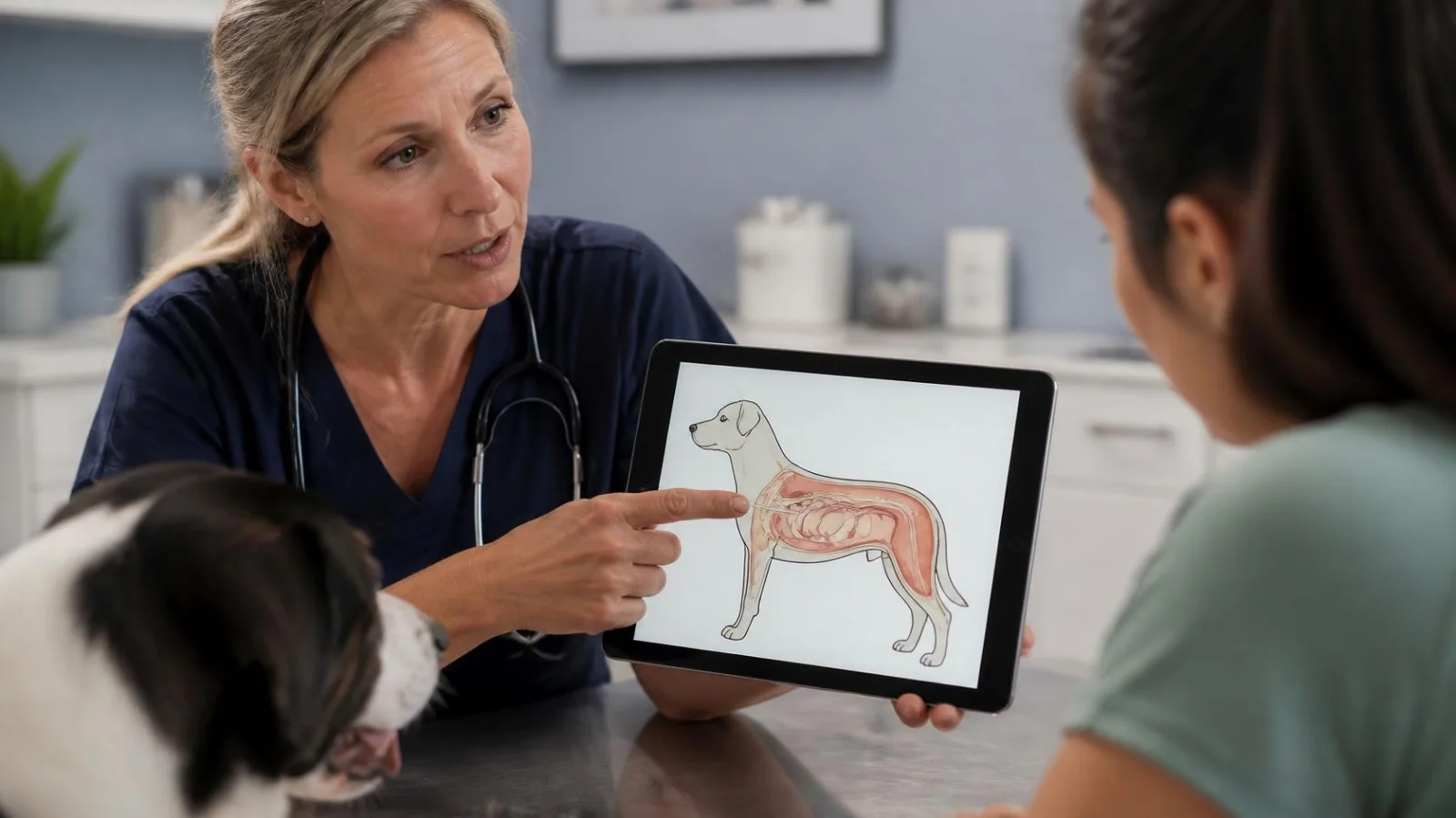
Getting the right diagnosis matters because the causes above are treated completely differently — treating suspected PSMI when the real cause is a UTI or an underlying metabolic condition won't work and delays the actual fix, sometimes for months while an ineffective treatment is given a chance to work. A typical workup includes:
- A detailed history, including exact age of onset, whether it's constant or intermittent, and whether it correlates with activity level or rest
- Urinalysis to rule out a UTI as the cause or a contributing factor
- Bloodwork if overflow incontinence from diabetes or Cushing's disease is suspected, particularly in an older dog with increased thirst
- Imaging (ultrasound or contrast X-rays) if an ectopic ureter or other structural cause is suspected, especially in a young dog with lifelong symptoms
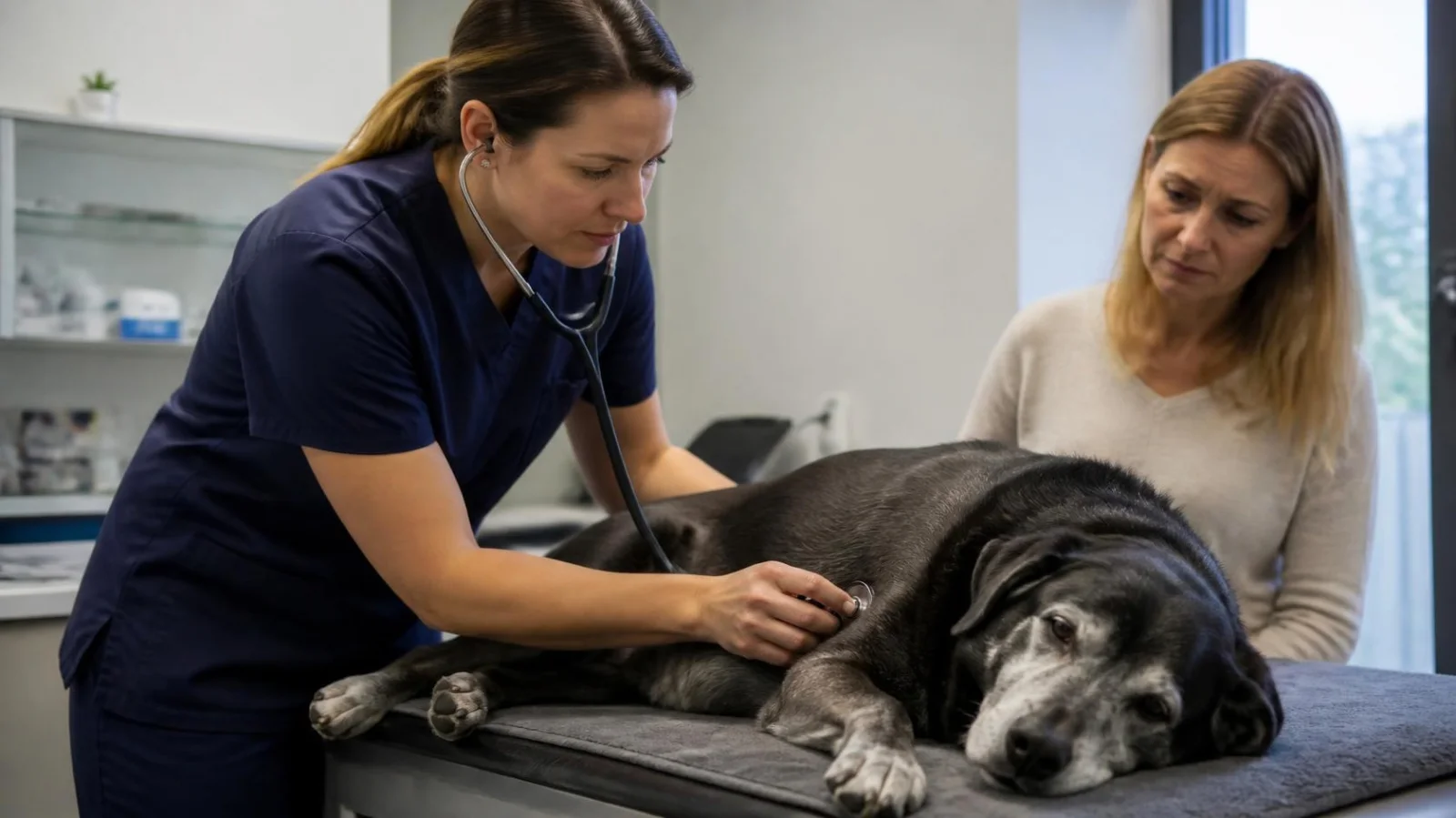
- A trial of medication — for a straightforward case fitting the classic PSMI pattern, many vets will start treatment and use the dog's response as confirmation, since the available treatments are considered safe enough to justify this approach rather than requiring extensive testing first
Treatment Options
| Treatment | How it works | Effectiveness | Key caution |
|---|---|---|---|
| Phenylpropanolamine (PPA / Proin) | An alpha-adrenergic agonist that directly stimulates the urethral sphincter to close more effectively | 75-90% of dogs show a strong response | Not appropriate for dogs with high blood pressure, kidney disease, or heart disease — requires vet evaluation first |
| Estrogen therapy (DES or estriol) | Restores some of the hormonal support for urethral muscle tone lost after spaying | Effective for many dogs, often dosed less frequently than PPA | Requires a compounding pharmacy for some forms; a dangerous, outdated estrogen form (ECP) should never be used for this purpose |
| Combination therapy (PPA + estrogen) | Used when either treatment alone isn't fully effective | Often more effective than either alone in dogs with a partial response to one | Managed and monitored by a vet, not a self-directed combination |
| Surgical options (collagen injections, artificial sphincter) | Physically supports or narrows the urethra to improve closure | Reserved for cases that don't respond adequately to medication | More invasive, generally considered after medical options have been tried |
All of these require veterinary diagnosis and prescription — this isn't a condition to self-treat with an over-the-counter product, and specific dosing needs to come from your vet based on your dog's weight, health history, pre-existing conditions like heart or kidney disease, and her response to treatment over the following weeks.
Managing the Mess at Home
While treatment takes effect, or for dogs with residual leakage even with medication, practical management helps a lot and shouldn't be seen as giving up on finding the actual underlying fix:
- Washable dog diapers designed for daily wear hold up better over repeated daily use than the type sold specifically for occasional heat-cycle use. The Pet Magasin Washable Female Dog Diapers we cover in more detail in our heat cycle management guide work equally well here, with the same fit and skin-care principles applying — size correctly, and check underneath regularly to prevent irritation from prolonged dampness.
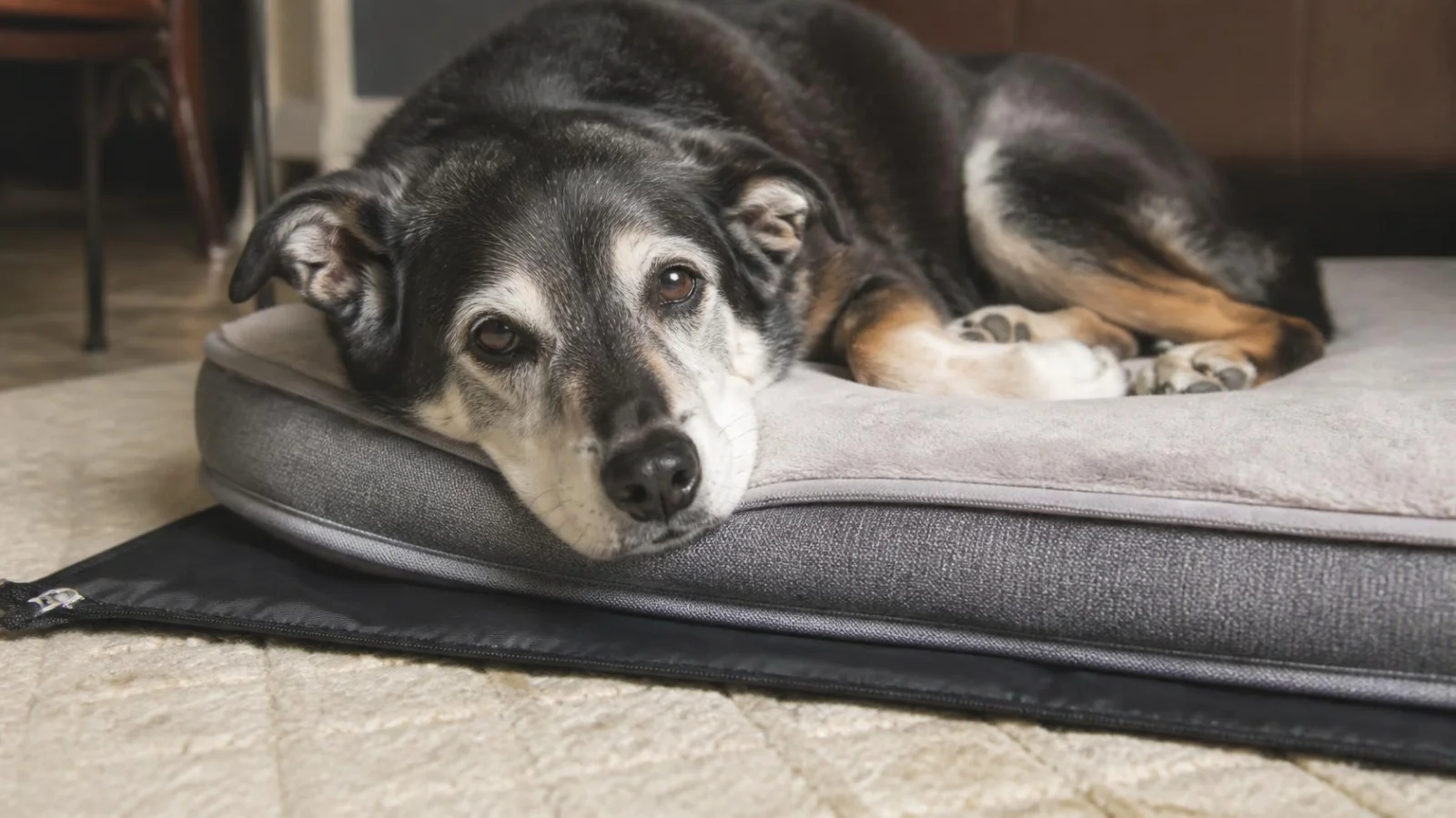
- Waterproof mattress-style protectors under her regular bed are a practical, one-time investment, since ongoing incontinence means repeated laundering of bedding is otherwise a permanent chore.
- A consistent overnight and nap-time routine — placing her bed on a protected surface specifically during the times leakage is most likely (rest periods) rather than trying to protect the whole house.
This section includes an affiliate link — if you purchase through it, ItsWagging may earn a small commission at no extra cost to you.
A Closer Look at Surgical Options
Surgery is reserved for dogs who don't respond adequately to medication alone, which is a minority of cases but a genuinely important option for those dogs:
- Collagen injections around the urethra add bulk that helps the sphincter close more effectively. This is minimally invasive compared to open surgery, but the effect often isn't permanent — many dogs need repeat injections every several months to a couple of years as the collagen gradually breaks down.
- Colposuspension is a surgical procedure that repositions the bladder neck to improve the mechanics of urethral closure. It requires general anesthesia and a more involved recovery than medication, and published success rates are moderate rather than universal — it's typically discussed as an option after medication has been given a fair trial rather than as a first step.
- An artificial urethral sphincter (a hydraulic cuff placed around the urethra) is a more advanced option available at some specialty surgical referral centers, generally reserved for dogs with severe, medication-refractory incontinence.
None of these are typically a first-line recommendation — the standard path is medication first, with surgical options reserved for the genuine minority of dogs who don't achieve adequate control that way. If your vet raises surgery early without having tried medication first, it's reasonable to ask why, since this isn't the usual sequence for straightforward PSMI.
Keeping a Simple Symptom Log
A basic log is one of the most useful (and least expensive) things you can bring to a vet visit for a suspected incontinence case:
| What to note | Why it helps |
|---|---|
| Date and approximate time of each leak | Reveals whether it's happening during rest specifically, or at other times too |
| What she was doing just before (sleeping, just woke up, climbing stairs) | Helps distinguish PSMI from other causes with different triggers |
| Amount (a few drops vs. a larger puddle) | Tracks severity and whether treatment is improving things over time |
| Any other symptoms noticed the same day (increased thirst, straining, lethargy) | Flags whether something beyond simple PSMI might be contributing |
Even two weeks of this kind of simple tracking gives your vet far more useful information than "she's been having some accidents lately," and it makes it much easier to judge whether a new treatment is actually helping once you start comparing week to week.
Is This Permanent? What to Realistically Expect
For the majority of dogs with PSMI specifically, this is a manageable, treatable condition rather than a progressively worsening one. The 75-90% response rate to PPA means most dogs achieve good practical control, sometimes complete resolution of visible leakage. Some dogs need to stay on maintenance medication indefinitely, which is a normal and reasonable long-term arrangement rather than a sign treatment "isn't working." A smaller number of dogs need combination therapy or, rarely, surgical intervention if medication alone isn't sufficient — but outright treatment failure, leaving a dog with no real options, is genuinely uncommon. Most owners describe the whole experience as a brief, manageable adjustment period rather than a lasting lifestyle disruption once the right treatment is found.
Living With It Day-to-Day While Treatment Takes Effect
Medication often takes a few days to a couple of weeks to show its full effect, and even well-controlled dogs can have occasional breakthrough leaks, particularly during especially deep sleep or after a long stretch without a bathroom break. A few habits make the adjustment period easier:
- A bathroom break right before bed and first thing in the morning, specifically — the bladder is fullest after the longest stretch without a break, which is exactly when leakage is most likely.
- Avoid restricting water intake as a way to reduce accidents — this doesn't address the actual mechanism causing the leakage and can create other health problems, including concentrated urine that irritates the bladder or increases UTI risk.
- Track patterns for the first couple of weeks on any new medication — frequency, timing, and severity of leaks — since this information helps your vet judge whether the current dose and treatment are working or need adjustment.
- Give any new medication the full recommended trial period before concluding it isn't working; some dogs show a partial response initially that improves further over the first few weeks.
Does Weight Play a Role?
Excess body weight is a contributing factor worth addressing alongside any direct treatment, since extra weight places additional pressure on the bladder and surrounding structures, which can worsen the practical severity of leakage even when the underlying hormonal cause is otherwise being treated appropriately. If your dog is carrying extra weight, a gradual, vet-guided weight loss plan is a reasonable complementary step rather than the primary treatment on its own — it's unlikely to resolve PSMI by itself, but it can meaningfully reduce how noticeable the leakage is in daily life.
What If Medication Stops Working as Well Over Time?
Some dogs who respond well initially to PPA or estrogen therapy find the effect seems to diminish somewhat over months or years, since the underlying decline in urethral muscle tone can continue progressing with age even while medicated. This isn't a sign to simply stop treatment — it's a reason to go back to your vet for a dose reassessment or a conversation about adding a second therapy (combining PPA and estrogen, for instance) rather than assuming the current approach has permanently failed. Most dogs can be brought back to good control with an adjusted plan rather than needing to escalate straight to surgical options.
A Note on Rehoming or Surrender
It's worth saying directly, because it does happen: urinary incontinence is sometimes cited as a reason owners consider rehoming or surrendering an otherwise much-loved dog, often out of frustration before realizing how treatable the underlying cause usually is. Before making that decision, a vet visit specifically to investigate and treat the incontinence is worth doing first — the overwhelming majority of cases respond well to inexpensive, straightforward medication, and a dog who seems like an ongoing "problem" due to leaking often becomes a completely normal, easy companion again within a few weeks of starting the right treatment.
Senior Dogs: A Slightly Different Picture
In addition to classic PSMI, older dogs can develop incontinence from a combination of general age-related muscle and nerve function decline, cognitive changes that affect awareness of the need to go out, and reduced mobility that makes reaching the door in time harder. This is worth distinguishing from straightforward PSMI since the management approach often includes mobility and routine adjustments (more frequent, easier-to-reach bathroom access) alongside or instead of the same medications used for younger dogs. If your dog is a senior showing new incontinence, mention her full picture — mobility, memory, overall alertness — to your vet rather than focusing only on the leaking itself, since the most effective plan often addresses more than one thing at once.
What This Typically Costs
| Item | Typical cost range |
|---|---|
| Initial vet visit and diagnostic workup | $100–$300, depending on how much testing is needed to rule out other causes |
| PPA (Proin) ongoing medication | Often $15–$40 per month, varying by dog size and dosage |
| Estrogen therapy (compounded) | Variable, often comparable to or somewhat higher than PPA |
| Advanced imaging (if ectopic ureter suspected) | $300–$1,000+ |
| Surgical intervention (if needed) | $1,000–$3,000+ |
For most dogs with straightforward PSMI, ongoing cost settles into a manageable monthly medication expense rather than a large one-time bill — worth factoring into your budget as an ongoing line item if your dog is diagnosed with this, similar to how you'd budget for any other chronic, well-managed condition.
It's Not Her Fault, and It's Not Yours
It's worth saying directly: a dog experiencing true incontinence isn't being disobedient, and there's nothing you did wrong in her training or care that caused this. It's a physical, hormone-related change in muscle function that happens to a meaningful share of spayed female dogs through no fault of her behavior or your ownership. Treating the underlying cause, rather than reacting with frustration or repeated house-training attempts aimed at a physical problem, gets to a resolution far faster and is a lot easier on both of you in the meantime — and it's worth remembering this every time a new wet spot shows up during the first frustrating weeks before treatment kicks in.
When to See a Vet
- Any new leaking or dribbling in a dog who was previously fully continent — don't wait to see if it resolves on its own
- Leaking accompanied by increased thirst, which could point toward diabetes or Cushing's disease rather than PSMI
- A young dog or puppy with dribbling that's been present since you got her, rather than a new adult-onset change
- Any signs of pain, blood in urine, or straining alongside the leakage, which suggest a UTI or other cause needing different treatment, as covered in our UTI guide linked below
Explore This Guide
- Female Dog UTI: Symptoms, Causes & Treatment — ruling out infection as the cause
- When to Spay a Female Dog — the actual timing tradeoffs that do matter
- Managing a Dog in Heat — diaper sizing and skin-care principles that apply here too
Whatever the cause turns out to be, a few wet spots on the bed are rarely the full story you'll end up with — most of this guide exists to help you get past that first frustrating week and into an actual, working treatment plan.