Search "are nylabones safe for dogs" and you'll find a mix of reassurance and horror stories, which honestly makes sense — these toys are safe when used correctly, and genuinely risky when they're not. Let's go through each popular toy type honestly, including what actually goes wrong and how to avoid it.
Are nylabones safe?
Nylabones are generally safe for supervised chewing, but the concern that keeps coming up is real: aggressive chewers can occasionally break off small, hard shards, which can be a choking hazard or, in rare cases, cause minor internal irritation if swallowed. This isn't common, but it's the reason vets recommend supervision, especially the first several times you introduce a new one.
What actually reduces the risk:
- Choose the size and chew-strength rating meant for your dog specifically (Nylabone rates their products by chew intensity — don't guess)
- Replace it once it's worn down to a small size or has sharp edges
- Supervise the first few sessions with any new toy, not just Nylabones
Are rope toys safe?
Rope toys are one of the more debated categories, and the concern is specific: dogs can pull off small fibers while chewing, and swallowed fibers can occasionally cause digestive blockages if enough accumulates over time. This is more of a concern for dogs who really shred rope toys rather than just tug on them.
Rope toys are a reasonable choice for:
- Supervised tug-of-war play (not left alone with the toy)
- Dogs who play with rope toys without shredding the fibers
They're a poorer choice for dogs who aggressively shred fabric or fiber-based toys — if that's your dog, a solid rubber toy is a safer bet.
Are nylon toys safe?
Nylon toys (a different material from rope, despite similar names) are generally considered durable and safe, with the same general caution as Nylabones — supervise for small broken pieces, especially as the toy wears down over months of use.
Are rubber chew toys safe?
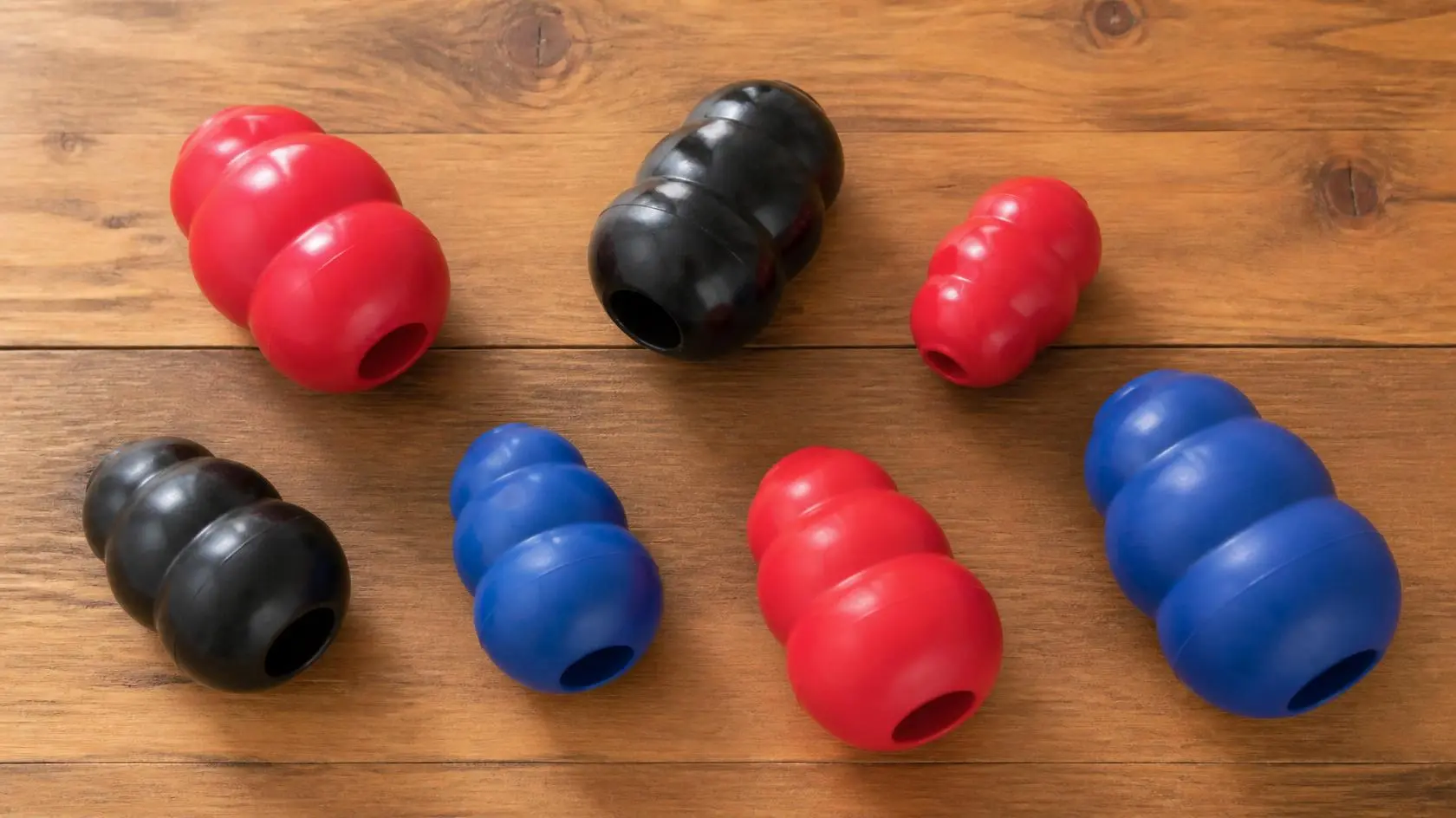
Solid rubber toys (like Kong or West Paw products) are widely considered among the safer chew toy categories, largely because quality rubber compounds resist breaking into sharp shards the way nylon sometimes can. The main things to check: make sure the toy is solid rather than hollow with easily punctured walls, and confirm it's sized so your dog can't swallow it whole.
General rules that apply to every toy type
- Size up rather than down if you're unsure — a toy that's too small is the single biggest risk factor across all materials
- Inspect toys regularly for cracks, exposed material, or pieces close to breaking off
- Retire and replace any toy showing real wear — durability doesn't mean "forever"
- Supervise new toys, especially with dogs who are known aggressive chewers
If you're specifically looking for toys built to hold up against a serious chewer, we've tested and compared several in our guide to the best chew toys for aggressive chewers.