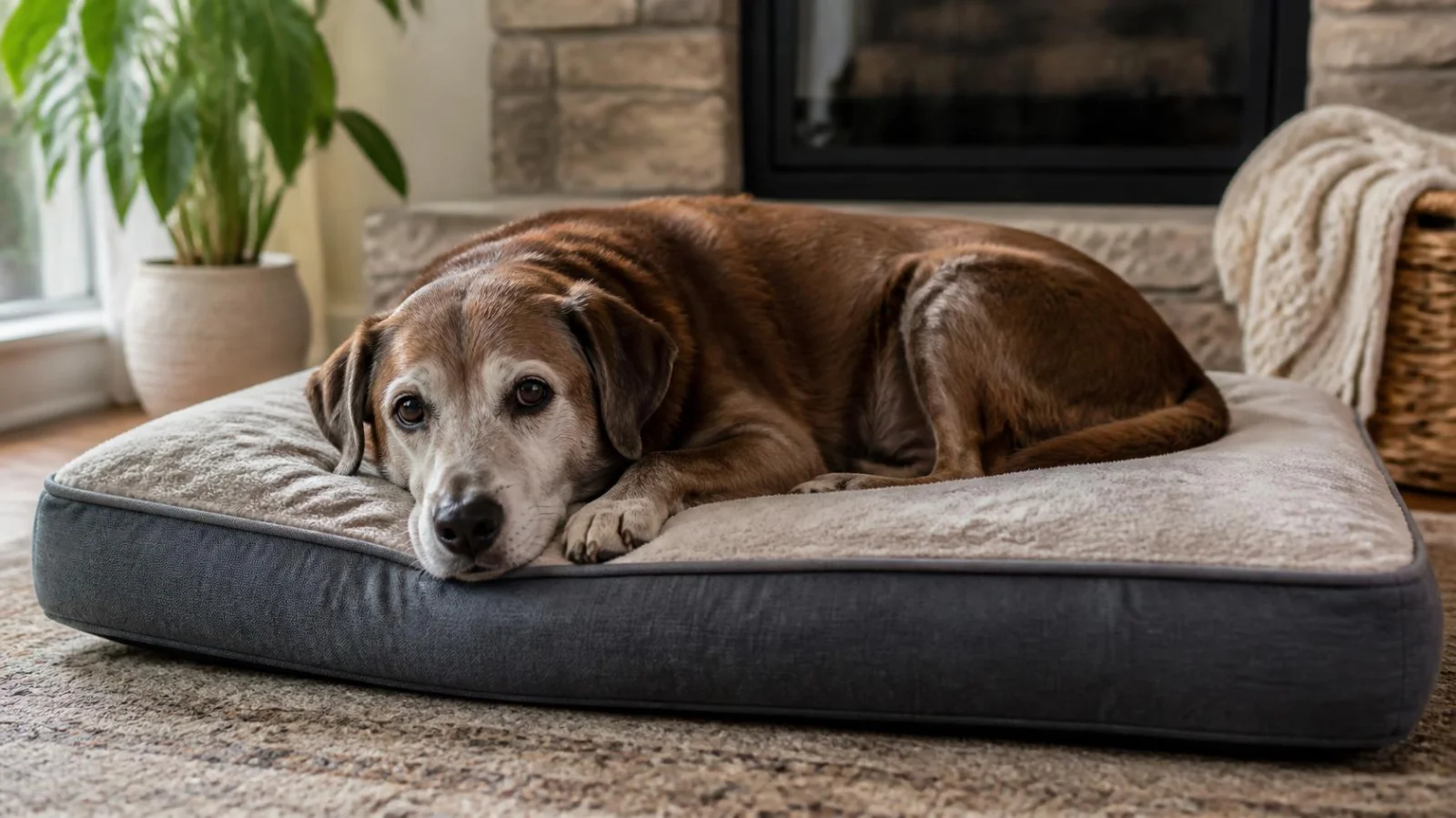
Not every dog needs the same bed. A young, healthy dog and a senior dog with early joint stiffness have genuinely different needs, and buying based on looks alone often means replacing the bed within a year once it flattens out or stops actually helping. Here's how to choose based on what your dog actually needs.
Do dogs really need an orthopedic bed?
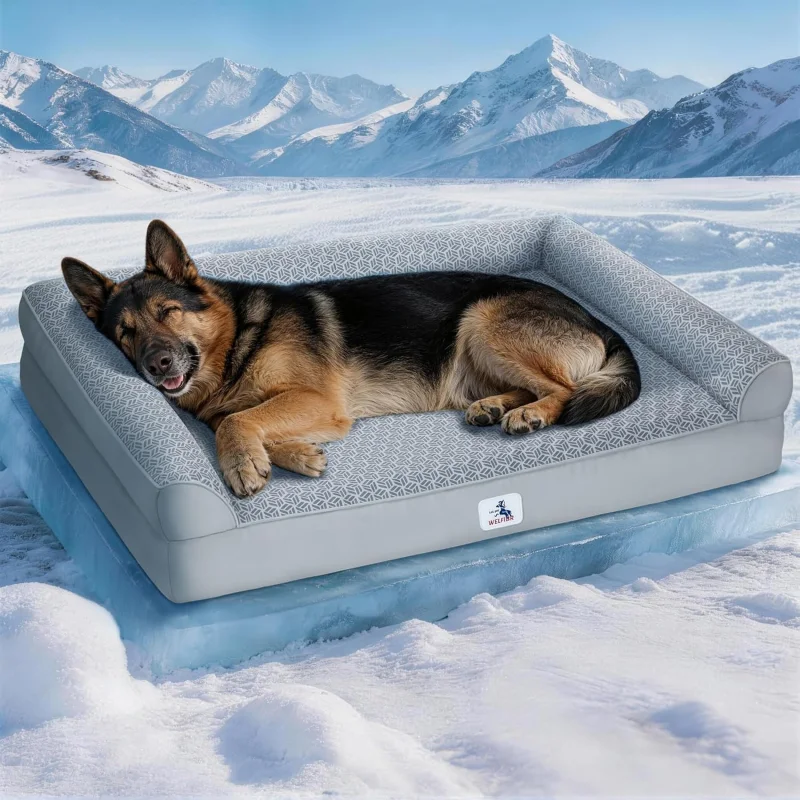
Not every dog does, but for a specific group, the difference is significant: senior dogs, large and giant breeds prone to joint issues, dogs recovering from surgery, and dogs already diagnosed with arthritis or hip/elbow dysplasia genuinely benefit from the pressure-relieving support orthopedic foam provides, similar to how a supportive mattress helps human joint pain. A standard fluffy or fiber-filled bed compresses over time and stops providing real support, while orthopedic memory foam maintains its structure much longer.
Orthopedic vs. memory foam vs. standard — what's the actual difference?
| Type | What it offers | Best for |
|---|---|---|
| Orthopedic foam | Dense, supportive foam designed to reduce pressure points and maintain shape long-term | Senior dogs, joint issues, large breeds |
| Memory foam | Contours to body shape, often combined with orthopedic support in higher-end beds | Similar to orthopedic, with a softer contouring feel |
| Standard fiber-filled | Soft and inexpensive, but compresses and loses support relatively quickly | Young, healthy dogs without joint concerns; secondary/travel bed use |
If your dog is showing any signs of stiffness getting up, reluctance to jump, or general slowing down, an orthopedic or memory foam option is worth the upgrade — though any real mobility changes are also worth mentioning to your vet, since a bed helps manage comfort but isn't a substitute for addressing an underlying joint issue.
Sizing an orthopedic bed correctly
Bigger is generally better here — your dog should be able to fully stretch out on the bed without hanging off the edge, since the supportive benefit is reduced if they're not actually resting on the foam itself. For large and XL breeds, this often means sizing up from what feels intuitive.
Cooling beds
For dogs in hot climates, thick-coated breeds, or homes without much AC, a cooling bed (using gel-infused foam or elevated mesh designs that promote airflow) can make a real comfort difference in warmer months. These aren't a substitute for orthopedic support if your dog genuinely needs it, but some higher-end beds now combine both features.
Elevated and raised beds
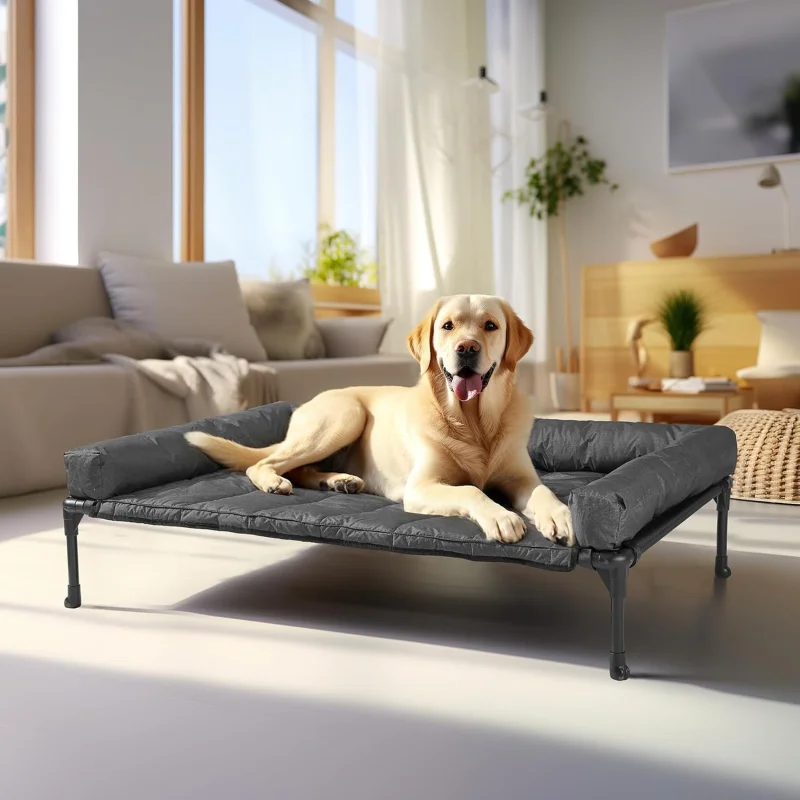
Raised/elevated beds (fabric stretched over a frame, off the ground) offer good airflow and are popular for outdoor or garage use, plus they keep dogs off cold floors in winter. One thing worth planning for: if you have a senior dog, a small dog, or one with mobility issues, an elevated bed's height can actually become a barrier — dog stairs or a small ramp next to the bed solves this and is worth considering alongside the bed itself, not as an afterthought.
Washable and waterproof considerations
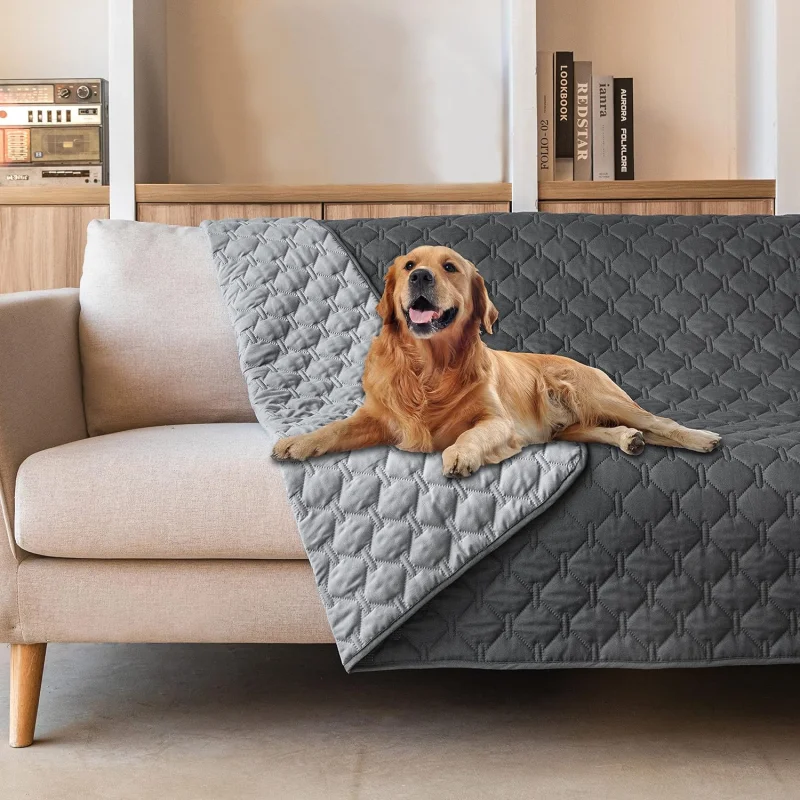
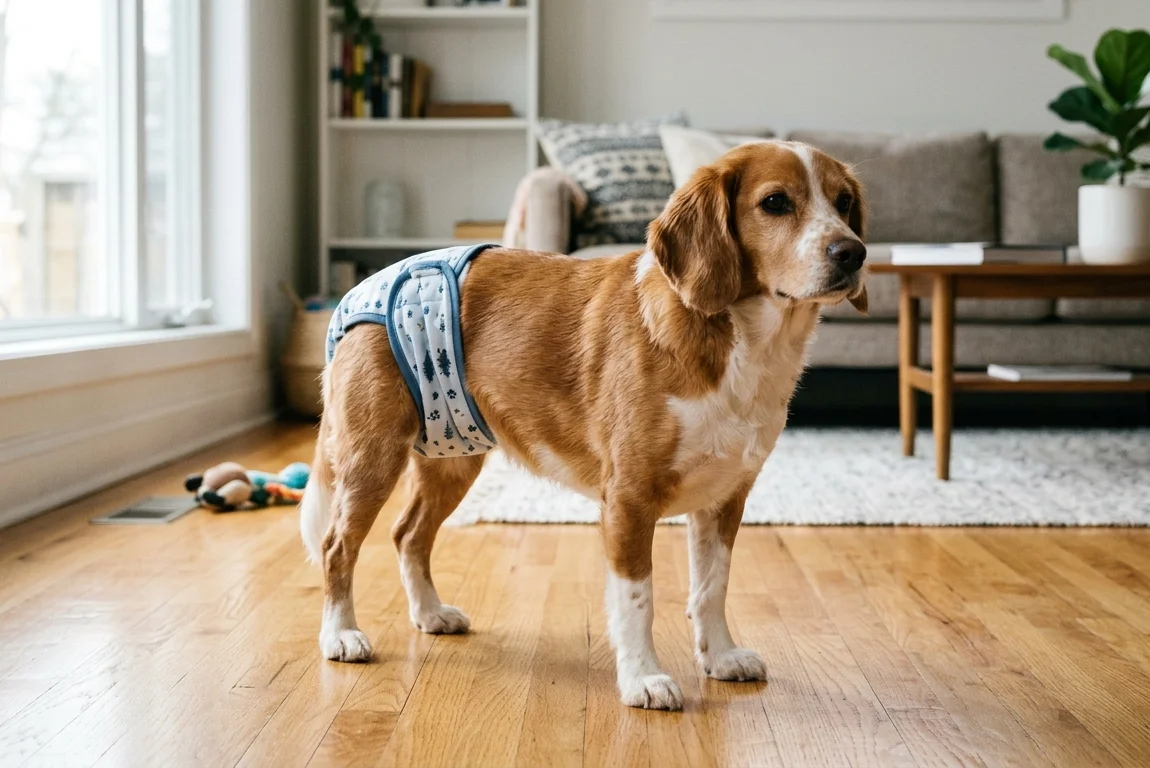
A removable, machine-washable cover is genuinely worth prioritizing regardless of bed type — dog beds get dirty fast, and a bed you can't easily clean tends to get replaced sooner than one you can maintain. Waterproof or water-resistant liners matter more for puppies still house training, senior dogs with occasional accidents, or outdoor use.
Outdoor beds
If the bed will spend real time outside, prioritize genuinely weather-resistant material (not just water-resistant fabric) and mildew-resistant foam specifically — a bed rated only for occasional outdoor use will break down fast with full-time outdoor exposure.
Budget vs. premium: where the money actually matters
- Foam quality and density — this is the single biggest factor in how long orthopedic support actually lasts; budget foam tends to compress and lose its supportive properties within months, while higher-density foam holds up for years
- Cover durability and washability — a well-made removable cover extends the useful life of the whole bed significantly
- Warranty — some premium orthopedic brands offer multi-year warranties specifically because their foam is built to last that long, which can be a useful signal of genuine quality when comparing options
For a healthy young dog with no joint concerns, a well-reviewed standard bed is a completely reasonable, non-compromised choice. For a senior dog or one with diagnosed joint issues, investing in genuine orthopedic-grade foam is where the money is best spent — this is one category where the cheapest option often ends up costing more over time through faster replacement.
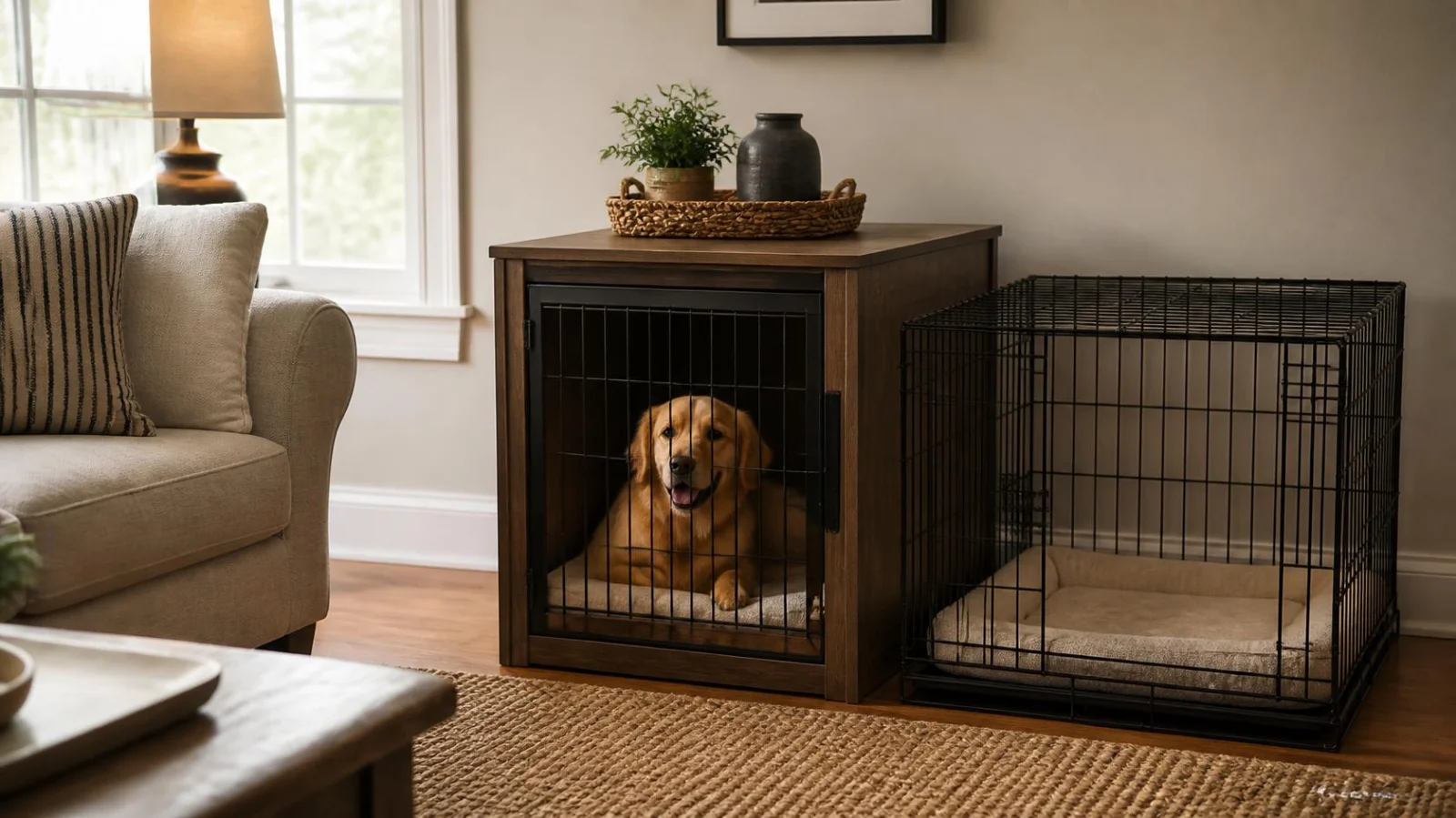
One more thing worth considering: crate beds
If your dog also uses a crate, the bed that goes inside it matters just as much as the crate itself — a properly sized, supportive bed makes the crate feel genuinely comfortable rather than just functional. We cover crate sizing and selection in more depth in our crate buying guide, which pairs naturally with this one if you're setting up a full sleep space for your dog.